Most agency shoot days go wrong the same way. The team arrives at the client's showroom at 11, the owner is in a meeting, the product that was meant to be the star of three reels is "coming tomorrow", and by 4 PM you have six usable clips for a month that needs twelve reels. Nobody did anything badly. The day simply wasn't planned as a production; it was planned as a visit.
Batching a month of reels into one day is the only way a small agency can afford regular video on a small-business retainer. But it only works if the day is planned around the calendar, not the other way round. Here is how to do it.
Why batch a month of reels into one shoot day?
Because the expensive part of a brand shoot is not the filming. It's getting there, setting up, getting the owner and staff ready, and lighting the space. Do that once and film twelve reels, and each reel costs a fraction of what it would as a one-off visit. Batching also helps the client: one disrupted day a month at the shop or clinic, instead of a camera turning up every week.
The trade-off is that a batch day has no slack. If a script is wrong or a product is missing, there is no "we'll get it next week" without breaking the calendar. So most of the work happens before the day.
What should a shoot day shot list include?
One shot list per brand per shoot, built from the approved month calendar. Later's free shot list template is a decent start; for brand work we add the posting date and the people needed. Each line should carry:
| Field | Example | Why it's there |
|---|---|---|
| Post title + posting date | "Bridal set reveal (posts 14 Dec)" | Ties the clip to the calendar, so the editor knows the deadline |
| Hook and script | The approved first line and voiceover | Nobody improvises the script on set |
| Shots needed | Wide of counter, close-up of clasp, hand try-on | Editor gets every angle in one take session |
| Setup / location | Display counter, natural light | Lets you group lines by setup |
| People on camera | Owner, one staff member | Confirm they're free, dressed, and agree to appear |
| Props / product / outfit | Bridal set no. 3, red backdrop | The single biggest cause of lost reels |
| Format notes | Vertical 9:16, room for text at top | Saves a reshoot when text covers the product |
For the per-reel checks on set (framing, audio, the extra seconds of B-roll), use our reel production checklist. This post is about the day as a whole.
How do you order a shoot day so you finish on time?
By setup, never by posting date. The reel for the 3rd and the reel for the 27th may both be at the display counter; shoot them back to back. Every time the crew moves the lights or changes location, you lose twenty minutes or more. A typical one-location day for a retail or restaurant client looks like this:
| Time | Block | What gets shot |
|---|---|---|
| 9:30–10:00 | Arrive, set up, walk the space | Nothing yet; check light, sound, power points |
| 10:00–12:00 | Product and detail setups | All product reels and close-ups, while the space is quiet |
| 12:00–1:30 | Live business | Customers, kitchen rush, staff at work (with consent) |
| 1:30–2:15 | Lunch, footage backup | Copy cards to a laptop or drive |
| 2:15–4:00 | People on camera | Owner talking-head scripts, testimonials, staff features |
| 4:00–5:00 | Exterior and B-roll | Shopfront, signage, street, spare clips for later |
| 5:00–5:30 | Pickups | Anything missed, checked against the shot list |
Put talking-head scripts after lunch, not first thing. Owners are calmer once they have seen the crew work for a few hours, and they are rarely free before noon anyway. And always shoot spare B-roll: Planoly's batch-filming tips make the same point, and spare clips often rescue a reel later in the month when a planned shot doesn't work.
What should you confirm with the client before the shoot?
Send this five days before, on WhatsApp, and get a reply to each line:
- Scripts approved. The month's hooks and voiceovers signed off. Changing a script after the shoot means a reshoot.
- Date, time and access. When the space is open, who lets the crew in, and where they can plug in lights.
- People. Who appears on camera, and that they will be there, dressed for the brand.
- Products and props. The exact items in the shot list, in stock and on site.
- Consent. Staff and customers who appear agree to it. Our note on the DPDP Act for agencies covers why this matters more now.
- A rain plan. If any shots are outdoors, the indoor alternative. In monsoon months, assume you'll need it.
What happens after the shoot day?
Back up the footage the same evening, in two places. Then file it in the brand's folder where the editor expects it (our Drive folder structure shows one way). Each reel becomes an edit task with a due date before its posting date. We make each post two days before it goes live, so a reel posting on the 14th is due from the editor on the 12th, moved earlier if that falls on a Sunday or holiday. Approved reels are then scheduled in advance, and the month runs without anyone scrambling on the posting day.
Remember that reels can now be up to three minutes long, after Instagram raised the limit from 90 seconds in January 2025 (Social Media Today). That doesn't mean brand reels should be long; most should still be short. But a shoot day is a good moment to also record one longer piece, like a founder story or a product walkthrough, that you can cut down later.
How we run shoot days in My Digital Sevak
When a brand's month is loaded into My Digital Sevak, each batched shoot is its own task assigned to the person who shoots, with a shot list that names each post and its posting date. The shoot is linked to those posts, so on set the shooter can open each post and read its script and references, and the editors working on those reels can see the shoot they depend on. The shoot sits in the shooter's My Work for that day, and the team gets WhatsApp reminders before upcoming tasks are due, not after they are missed.
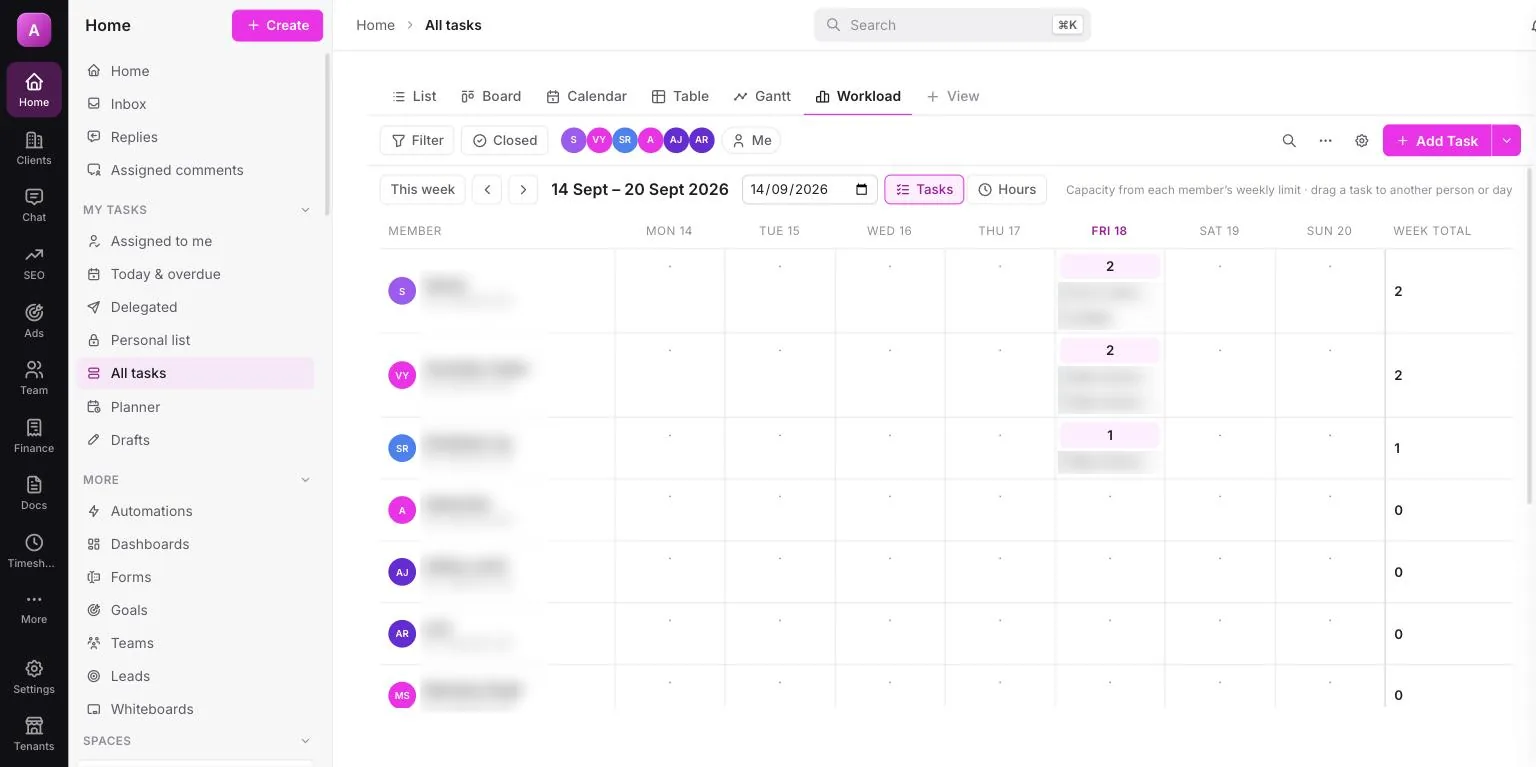
The Workload view is where we check the week after a shoot. Twelve reels landing on one editor in the same three days is the most common way a batch shoot turns into missed posts, and it's easy to see and fix there before it happens. Agencies serving clients across a city like Jaipur, where two or three brands may share one shoot route, can plan the whole day's route the same way.
Frequently asked questions
How often should a brand have a content shoot?
Once a month suits most brands posting several reels a week. It lines up with the monthly content calendar and plan sign-off. Add a short second shoot mid-month only if the brand has news it cannot plan for, such as new stock, an event or a sale that was decided late.
Should the client approve scripts before the shoot day?
Yes. Get the month's scripts and hooks approved before anyone travels to the location. Changing a script after the shoot usually means a reshoot, and a reshoot costs a whole extra day for the team and the client. Approval of the finished reel still happens later, on the edit.
What if the shoot day gets cancelled at the last minute?
Keep two or three posts in the month that need no shoot, such as graphics or carousels, near the start of the calendar. If the shoot moves by a few days, those fill the gap. Then rebook within the week, because every day of delay eats into the editing time before the reels' posting dates.
Sources checked on 28 November 2026: Later's shot list template, Planoly on batch filming, and Social Media Today on Instagram's three-minute Reels limit. The sample schedule is a planning starting point; adjust it to the client's opening hours and light.
Shoots, edits and posting dates in one plan
Shoot tasks linked to the posts they're for, edit deadlines set from posting dates, a team workload view, client approvals and Instagram publishing in one agency workspace. From ₹999/month. Try it free for 3 days, no card needed, with a 7-day money-back guarantee.