Brand reels rarely fail in the edit. They fail on publish day, when someone notices the product name is spelt wrong in the captions, the song is a film track the brand can't use, the client never saw the final cut, or the only good shot of the shop front was never taken. Every one of those is a five-second check that nobody owned.
This is the checklist our team runs on every client reel, the same one whether it's a sweet shop's Diwali gift-box reel or a clinic's doctor explainer. It's built for agencies juggling many brands, so each check has an owner. Copy the plain-text version at the end into your own task template.
What should a reel production checklist include?
| Stage | What to check | Owner | What breaks if you skip it |
|---|---|---|---|
| 1. Brief | Goal, single message, CTA, references, posting date | Strategist | A pretty reel that says nothing |
| 2. Script | Hook in line one, timed read-aloud, on-screen text written out | Strategist or writer | Long, slow reels and reshoots |
| 3. Shoot | Shot list, vertical framing, clean audio, 2–3 hook takes, B-roll, consent | Shooter | Missing shots you discover in the edit |
| 4. Edit | Dead air cut, captions proofread, licensed audio, safe zones, no watermarks | Editor | Muted audio, typos, lower reach |
| 5. Publish | Cover frame, caption, tags, client approval, scheduled time | Account manager | A reel the client hasn't seen goes live |
Stage 1–2: the brief and the script
Before anyone picks up a phone, the brief should answer four things in writing: what this reel is for (enquiries, footfall, awareness of a new product), the one thing a viewer should remember, the call to action, and the date it goes live. Add one or two reference reels with a note on what to copy, the pace, the framing, the transition, so the shooter isn't guessing. Our guide to briefing a designer covers the same idea for statics.
Then the script. Three rules that save the most reshoots:
- Write the hook first. The opening line or visual decides whether anyone sees the rest. We keep a list of reel hook formulas by industry for exactly this.
- Read it aloud with a timer. Scripts that look short on paper always run long on camera. Cut any line the viewer wouldn't miss.
- Write the on-screen text separately, word for word, in the language the audience actually types. If the brand speaks Hinglish, the text should too; don't let the editor translate on the fly.
On length: Instagram raised the reel limit from 90 seconds to three minutes in January 2025 (Deccan Herald). That's room, not a target. A brand reel with one message should be as short as that message.
Stage 3: what to check on shoot day
- Shot list printed or on the phone, every shot tied to a line of the script.
- Camera set to vertical 9:16, lens wiped, exposure locked so the light doesn't pump.
- Clean audio: a clip-on mic for anyone speaking, fans and AC off for the take, ten seconds of room silence recorded.
- Two or three versions of the hook, so the editor can pick the strongest.
- A wide shot and a tight shot of every key moment, plus B-roll of the product, the place and the people.
- Space left at the top and bottom of the frame for text and Instagram's buttons.
- Permission from staff and customers who appear on camera, ideally in a message you can find later.
- Batteries charged, storage cleared, a backup of the footage before you leave the location.
If you shoot several reels for a brand in one day, which is how most agencies make reels affordable, the shot list becomes a call sheet: which reel, which location, which person, in what order. Shooting the month's four shop-front scenes together saves the crew three trips.
Stage 4: what should the editor check before export?
- Cut the dead air. Watch the rough cut at faster speed; the pauses and repeated setups jump out.
- Proofread captions. Auto-captions get brand names, prices and Hindi words wrong. Check them on the smallest phone in the office.
- Keep text inside the safe zone. The bottom of the screen is covered by the caption and the right edge by the like and share buttons.
- Use only licensed audio. No film songs on a brand account. We explain why, including the Zee v. Nykaa case, in copyright music on reels.
- No other app's watermark. Meta's originality guidance says re-uploads with only light changes, like a watermark or subtitles, aren't original content, and reels carrying another app's logo aren't recommended (Instagram's original content guidelines). Export clean from the editing app; your own logo is fine.
- Export at 1080×1920 and name the file so anyone can find it: brand, posting date, a short title.
Stage 5: cover, caption, approval and publishing
The cover is what the reel looks like on the brand's profile forever. Since early 2025 the profile grid shows taller rectangular thumbnails instead of squares (Influencer Marketing Hub), so keep the face or the text of the cover near the centre. If you publish through a scheduler, check whether it lets you pick a cover. Many use the first frame, so we design the first frame to double as one.
Then: the caption with the call to action in the first line, collaborator tags, location, and the client's approval on the final cut, not a draft. Only then does it go into the schedule. If you're scheduling for several brands, our guide to scheduling reels in advance covers the specs and the reasons scheduled reels fail.
Copy-paste reel checklist
Brief: ☐ goal ☐ one message ☐ CTA ☐ 1–2 reference reels with notes ☐ posting date
Script: ☐ hook written first ☐ read aloud and timed ☐ on-screen text written word for word ☐ approved by account manager
Shoot: ☐ shot list ☐ vertical 9:16 ☐ exposure locked ☐ mic + room tone ☐ 2–3 hook takes ☐ wide + tight ☐ B-roll ☐ consent ☐ footage backed up
Edit: ☐ dead air cut ☐ captions proofread ☐ text in safe zone ☐ licensed audio (source noted) ☐ no other app's watermark ☐ 1080×1920 export ☐ file named brand + date
Publish: ☐ cover / first frame checked on the grid ☐ caption + CTA ☐ tags + location ☐ client approved the final ☐ scheduled ☐ live link saved
Who owns each step, and how we track it
A checklist only works if every line has a name next to it. In a small agency that's usually four people: the strategist (brief and script), whoever shoots, the editor (edit, captions, audio) and the account manager (cover, caption, approval, schedule). The trap is the handover. "I thought you checked the audio" is how a reel with a film song ends up on a jewellery brand's page.
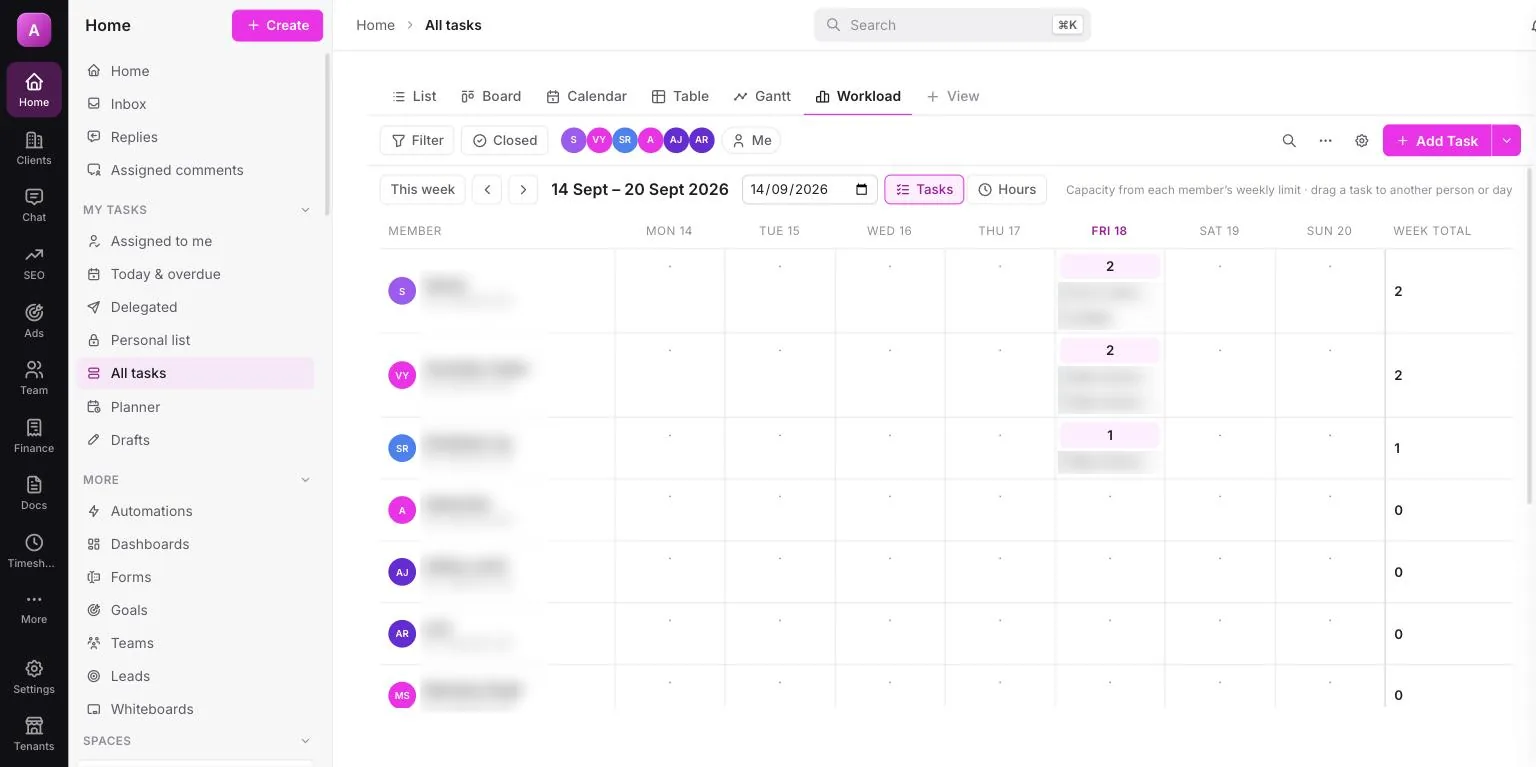
In My Digital Sevak, each reel is a task in the client's calendar, assigned to the person making it. The brief sits on the task: reference links at the top (an Instagram reel link shows up as one), and team notes for the editor (shots, pace, music, transitions) and for the shoot. Shoot days are their own tasks, linked to the reels they cover, and Docs has a shoot plan template with a call sheet, shot list and gear list. When the editor uses Upload final, the reel is named from the brand and posting date and filed in that brand's Reels folder in Google Drive, and the post moves to In Review. The caption writer watches the finished reel before drafting, the client approves the final in their portal, and the post publishes to Instagram on schedule.
Whatever tool you use, put the checklist inside the task itself, not in a document people have to remember to open. Agencies we talk to in Kochi and elsewhere say the same thing: the checklist they printed got ignored; the one in the task got done.
Frequently asked questions
How long should a brand reel be?
As short as the message allows. Instagram has accepted reels up to three minutes since January 2025, but a longer limit is not a reason to run long. Write the script, read it aloud with a timer, and cut every line that the viewer would not miss. Most single-message brand reels land well under a minute.
Can a brand reel use trending film songs?
Not safely. Business accounts get a limited commercial music library for a reason: film songs need licences from the label and often the music publisher, and brands in India have been taken to court over it. Use the business library, licensed stock music, or original audio, and note the source on the post.
Who should own the reel checklist in a small agency?
Give each stage one owner. The strategist owns the brief and script, whoever shoots owns the shoot list, the editor owns edit, captions and audio, and the account manager owns cover, caption, approval and scheduling. One person signs off before it goes to the client, so nothing is assumed done.
Sources checked on 27 November 2026: Instagram's original content guidelines, coverage of the January 2025 three-minute reels update (Deccan Herald) and the profile grid change (Influencer Marketing Hub). The checklist itself is our agency's working process.
Every reel, from brief to published, in one place
Reel tasks with briefs and editor notes, shoot plans, Drive filing, client approval in a portal and Instagram auto-publishing, in one agency workspace with an Instagram scheduler built in. From ₹999/month. Try it free for 3 days, no card needed, with a 7-day money-back guarantee.