Most hotel accounts I audit make the same mistake: they post the season while it's happening. Diwali lights go up on Diwali. The monsoon reel goes live in the monsoon. By then, the families who were going to book a room have already booked it, on an OTA, somewhere else.
A café sells to people within five kilometres who might walk in tonight. A resort sells to someone in Delhi, Ahmedabad or Bengaluru who is planning a trip that's weeks or months away. Get that difference right and most of the other decisions follow from it.
Why is hotel social media different from other local businesses?
Three things set it apart from the restaurant playbook, even though both look like "pretty food and pretty rooms" on the grid:
- The buyer isn't local. Your audience is in the source markets that drive to you or fly in. A hill property near Dehradun sells to Delhi NCR. A heritage hotel in Udaipur sells to Mumbai, Ahmedabad and overseas. Target, caption and time posts for them, not for the town.
- The decision comes long before the visit. EY's Great Indian Traveller analysis notes that solo travellers tend to book last minute while larger groups plan months in advance, and that younger travellers are more influenced by social media. A family's winter trip is a decision made in autumn.
- OTAs are both your channel and your competitor. The same guest who discovers you on Instagram can book you through an aggregator. Every direct booking you win back is margin that stays with the property.
What should a hotel or resort actually post?
Travellers are trying to reduce risk. Is the room really like the photos? How bad is the road? Will the kids be bored? Content that answers those questions books rooms. Content that only looks nice gets likes.
- Room-truth reels. Walk through the actual room category in one unedited take: door, bed, washroom, the view from the window, the balcony. Name the category so the guest can book exactly what they saw.
- The "how to reach" post. Drive time from the main source city, the last stretch of road, parking, and what changes in the monsoon. Pin it. It's the question your front desk answers on WhatsApp every single day.
- A day at the property. Breakfast to bonfire, as an itinerary. This sells the stay as a plan rather than a bed.
- Food as a reason to stay in. Resorts where guests eat in make more per stay. Show the thali, the live counter, the dinner setup.
- The nearby, handled. Sunrise point, temple, trek, safari, with how far away each is and whether you arrange transport.
- Guest moments, with permission. Reposted guest reels are your best proof. Ask in writing before reposting, especially with children in frame.
- The people. The chef, the naturalist, the housekeeping lead who folds the towel swans. Staff faces make a property feel safe to book.
How do you build a booking-window content calendar?
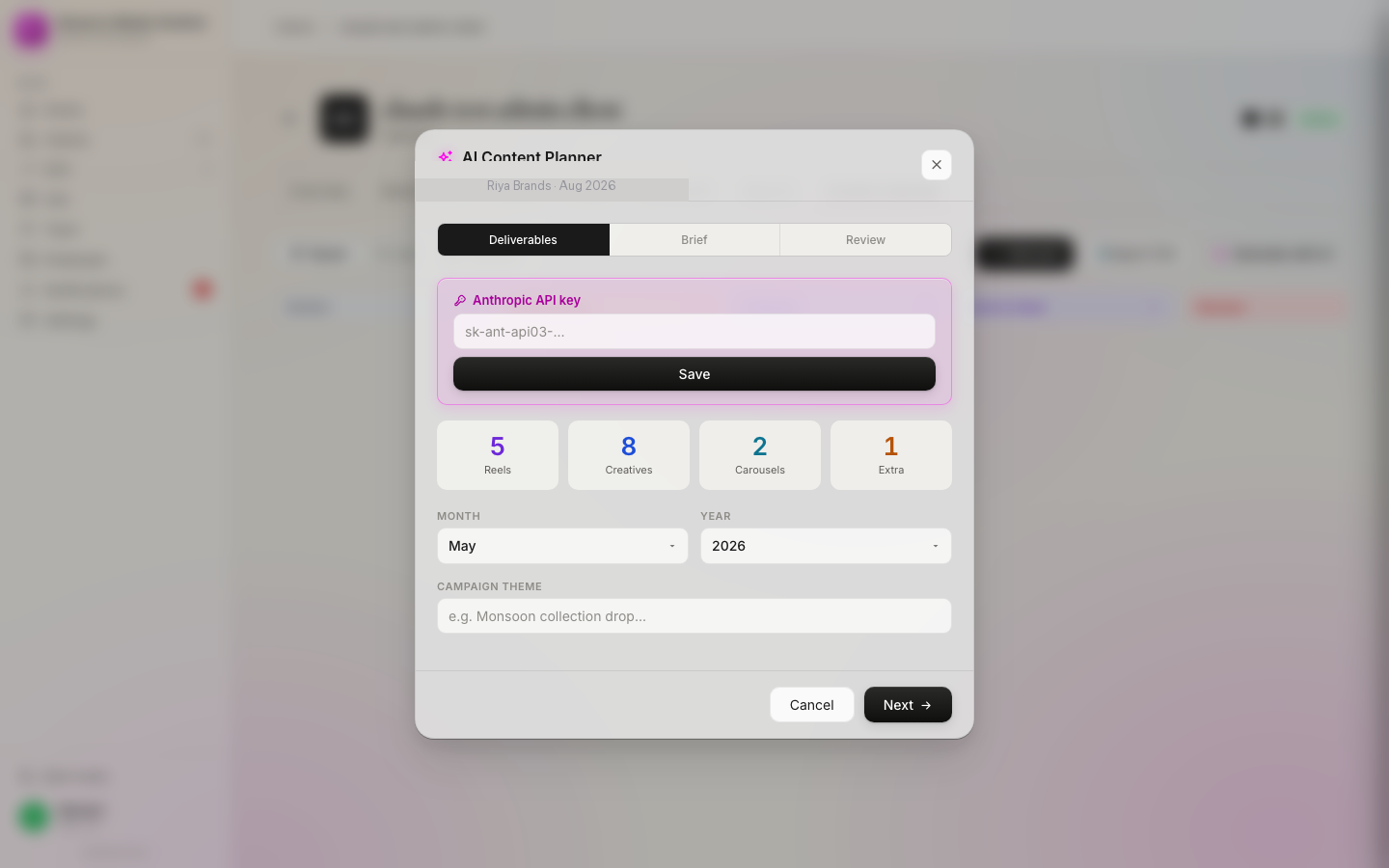
Work backwards from when guests decide. Here's the shape I'd plan around. Adjust it to your own booking data, because your PMS knows your lead times better than any report does.
| Stay season | Who books | Start promoting | What to post |
|---|---|---|---|
| Summer holidays (hills) | Families from the plains | Two to three months before | Rooms for four, kids' activities, weather contrast with the source city |
| Monsoon getaways | Couples, friend groups | A few weeks before | Rain-view rooms, road status, weekend packages |
| Diwali and winter holidays | Families, large groups | Two to three months before | Group bookings, festive dinners, connecting rooms |
| Wedding season | Families, planners | Six months or more before | Lawns, capacity, room blocks, past setups |
| Long weekends | Couples, solo, small groups | Two to four weeks before | Short-stay offers, last-minute availability |
Wedding venues have their own dynamics, including consent for couples' photos. The wedding industry playbook covers that side in depth.
How do you turn Instagram attention into direct bookings?
- Link to dates, not the homepage. Point the bio link and story links to the booking engine with a room category pre-selected where possible. Every extra tap loses guests to the OTA app already on their phone.
- Treat WhatsApp as the front desk. Most Indian enquiries end up there. Put a named person on it with a reply target in minutes, and have saved replies for rates, directions and child policy.
- Claim the Google side. Social creates the intent, and guests then Google the property name. Google's Hotel Center help says free booking links can show your official site's rate in the hotel booking module at no cost for clicks. Most booking engines and channel managers can connect you as an integration partner.
- Retarget with a hotel catalog. Meta's hotel ads use a catalog of your property and rooms connected to the pixel on your booking engine, so people who looked at dates can be shown those rooms again. The feed has separate fields for base price, tax and fees, which brings us to the rule most hotel creatives break.
The pricing rule hotel ads keep breaking
"Weekend stay from ₹3,999" sounds great until checkout adds taxes and a mandatory fee. India's Guidelines for Prevention and Regulation of Dark Patterns, 2023, notified by the Central Consumer Protection Authority, list drip pricing as a prohibited practice. Trilegal's summary describes it as not presenting the user with comprehensive price information upfront. The guidelines cover advertisers as well as platforms.
The same guidelines list false urgency: implying scarcity that isn't real to push a purchase. Trilegal notes these practices are commonly seen in hotel and flight bookings, and that the business may have to prove the prompt was accurate. For an agency, that means three house rules:
- Show prices as "₹X per night + taxes", or tax-inclusive, on the creative itself and not only in the caption.
- No "only 2 rooms left" unless someone checked inventory that day, and the post comes down when it stops being true.
- Barter stays for influencers need an Ad or Collaboration label. ASCI counts hotel stays as a material connection. Our ASCI guide has the label timings.
This isn't legal advice. If a client runs aggressive pricing campaigns, get their lawyer to sign off on the ad format once, and then reuse it.
What should the monthly report show a hotel owner?
Owners don't care about followers. They care about room nights. Report in this order: WhatsApp and DM enquiries, booking-engine clicks from social, direct bookings you can attribute, then reach and top reels as the explanation. If the booking engine can't track source, add a "how did you hear about us" question at check-in. It's crude, but it's better than guessing. The monthly report structure we use works here with those metrics swapped in.
If you run hospitality accounts as an agency
Hotels are good retainer clients because the need never stops, but they come with operating quirks:
- Shoot in the off-season. Empty property, cooperative staff, and you can bank three months of room-truth content before peak season, when nobody has time for you.
- Two approvers is normal. The GM approves accuracy, the owner approves offers. Build that into the approval flow or rate posts will sit waiting.
- Offers expire. A package post needs an end date in your calendar so it gets pulled or edited on time, which ties back to the pricing rules above.
- Location matters. Agencies in tourism markets like Goa, Shimla or Udaipur can build a whole practice around this niche, and the seasonality evens out across properties in hills, beaches and heritage towns.
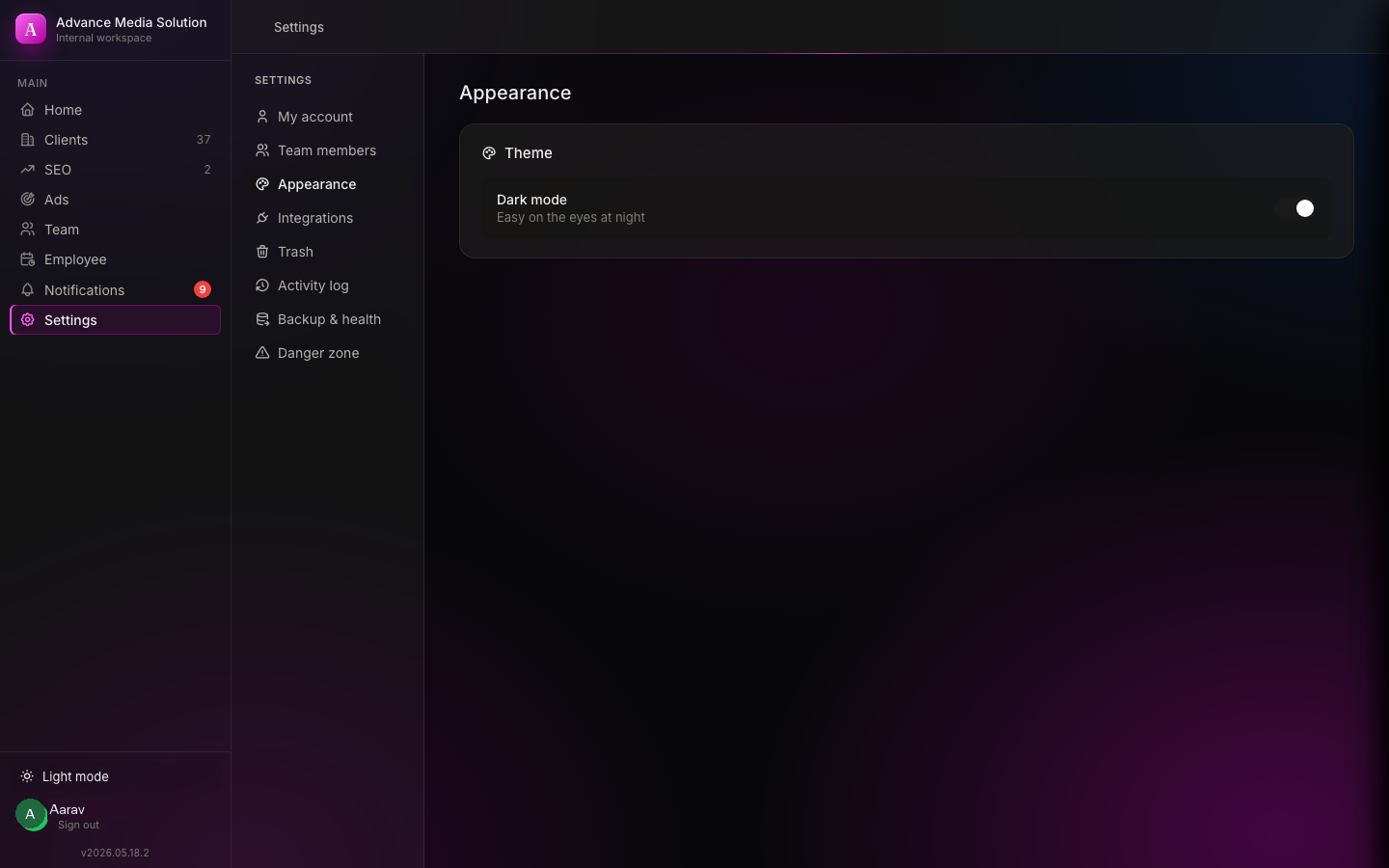
That's the workload My Digital Sevak is built for. Each property gets its own calendar planned a season ahead, GMs and owners approve from their phones, approved posts auto-publish through the Instagram scheduler, and monthly reports and GST invoices come from the same place. We publish to Instagram and Facebook. Your booking engine, Google Hotel Center and ads account stay where they are.
FAQ
When should a resort start promoting a holiday season on Instagram?
Before guests decide, not when they arrive. EY's Great Indian Traveller analysis notes that larger groups plan months in advance while solo travellers book last minute. So family and group seasons like Diwali, winter holidays and summer need content running a couple of months ahead, with last-minute offers reserved for couples and solo guests.
Can a hotel post "only 2 rooms left" on social media?
Only if it is true at that moment. India's Dark Patterns Guidelines, 2023 list false urgency, meaning creating a false sense of scarcity to push a purchase, as a prohibited practice. Law firm Trilegal notes the burden falls on the business to show the prompt was a correct representation.
Do influencer barter stays at a hotel need an Ad label?
Yes. ASCI's influencer guidelines count free products, trips and hotel stays as a material connection, so a complimentary stay in exchange for content needs an upfront disclosure label such as Ad or Collaboration, even if no money changed hands. The hotel, as advertiser, shares responsibility for making sure the label appears.
Sources
- EY India: The Great Indian Traveller — trends shaping the way India travels — booking behaviour by group size and age, and social media's influence on younger travellers.
- Trilegal: Guidelines for Prevention and Regulation of Dark Patterns, 2023 (update) — drip pricing and false urgency, and who the guidelines cover. Not legal advice.
- Google Hotel Center Help: About free booking links — where the links appear, no cost for clicks, integration partners.
- Meta for Developers: Hotel ads catalog and feed — required hotel fields, and price, tax and fee fields for rooms.
Plan every property a season ahead.
Per-client content calendars, one-tap approvals for GMs and owners, auto-publishing to Instagram and Facebook, monthly reports and GST invoices. 7-day free trial, from ₹999/month for your whole team.
Start Free Trial